
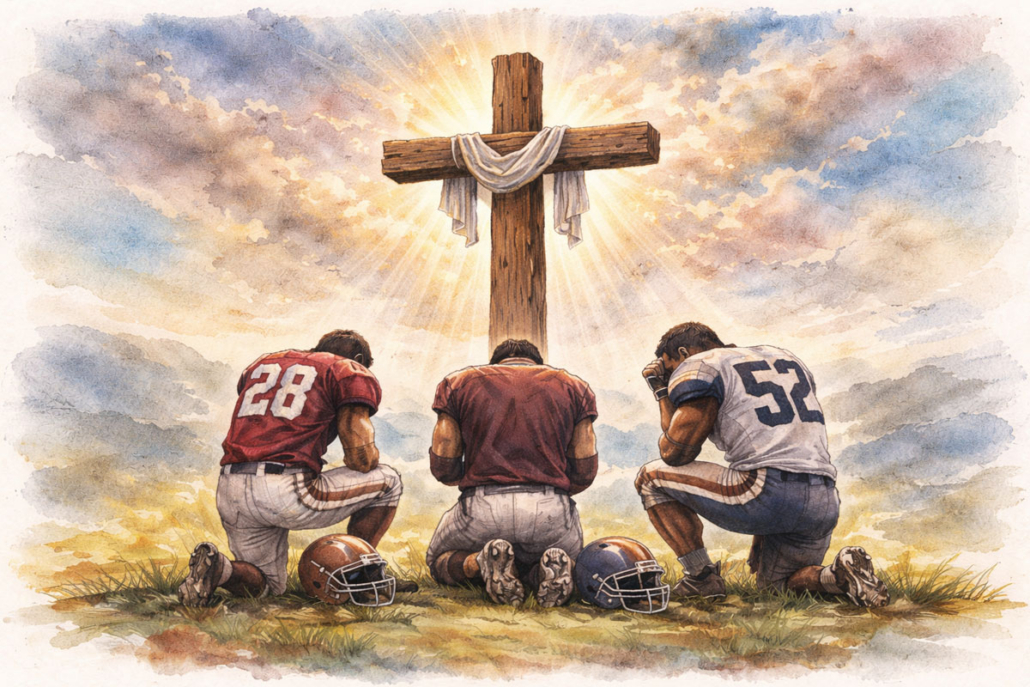
What’s Up With So Many NFL Players Talking About Jesus? (And Why It Matters to Us) – Part 2
Back in my day, an NFL team could be a tough place to stay grounded and faithful to God and marriage. In a locker room of machismo, there was a “boys will be boys” mindset concerning lifestyle temptation. Sometimes, a culture of loose-living bravado grew as it did with the playboys of the Dallas Cowboys (displayed in the recent Jerry Jones documentary).
Even some coaches had a less-than-positive idea about Christians in those days. Some of them would paint Jesus-confessing players as soft or not ideal for the do-or-die, “destroy your opponent” attitude they felt was required to win championships.
That wasn’t the case with Super Bowl champion coach Tony Dungy, who is universally respected. And it has changed with coaches in this millennium. Many of my teammates and peers, including Reggie White (the “Minister of Defense”) and Steve Largent, erased that old fear. And, the playboy lifestyle, with its collateral damage, has played out so many times that the novelty has worn off.
Many players and coaches have experienced or seen the cost it has on the self and a marriage. They’ve seen the damage of divorce on couples, on kids, and even on teams (so often wives carry an oversized load for pro athlete families). For better or worse motives, many players also worry about the stain it would leave on their reputation, team, and endorsement opportunities, too.
These cultural changes notwithstanding, I think the biggest change is a reinforcing change. In many senses, the NFL has become a more natural place for young men to grow and sustain their faith when they combat the risks of inflated public personas, pressures, and myriad rewards of NFL careers. They sense the need for a true self, not a public self, which sets them free from the wearying and precarious quest to perform and impress to earn their identity. The solution many NFL stars are finding is to receive and anchor their identity in Jesus as sons of a gracious and loving Heavenly Father. They are receiving support in their faith and journey of identity:
- Every team has great chaplains. The owners put them on the payroll and welcome their beneficial presence for young men in super-sized lives on a public pedestal. Coaches encourage players to go to them for support. There’s no stigma. Does your workplace offer that? For most people, the answer is probably no. (If you are in a position to influence things at your workplace, you could look into organizations like Marketplace Chaplains and Corporate Chaplains of America.)
- NFL players enjoy the benefits of 24/7 togetherness for nine months out of the year. The team, the facility, and the field offer a de facto church for players and coaches who want friendship and brotherhood to learn, grow as men, and center their lives around faith in Jesus. Players who desire it have the constant fellowship and positive improvement from living in nearly constant visibility to one another. It’s iron sharpening iron because of the benefit of living in the light—being encouraged, known, and accountable to each other.
- These players are not going solo. They’re not doing life alone, isolated, lonely, unsupported. Rookies get effective mentoring from vets because vets know exactly what they’re experiencing. They all face the same challenges of image vs. identity, wealth vs stewardship, popularity vs. maturity, and sex vs. loyal love. They all face trials on the field and concerns about shaping their years after playing. They can get real-time mentoring on knowing God through His Word, how to seek His will, as well as on becoming an excellent husband or intentional father.
Why bring this up (when very few of us will be playing in the league any time soon)? To help you consider and enhance your own situation: What effort are you making to surround yourself with spiritual teamwork?
I was blessed to have it in football (and when I worked at FamilyLife). But I realized that many guys who, even though they go to church every Sunday and might even go to a men’s group, aren’t getting the consistent friendship and support they need in life. That’s why I share the Level 5 Friendship framework and recently launched Core3 Coaching, weekly texts to help men (and leaders in particular) grow robust and intentional friendship.
Include these questions in your prayer dialogue with Father God:
- Who are the men in my life to help keep my identity anchored in Christ rather than in performance, success, or image?
- Do I have regular, honest spiritual teamwork with other men—men who know me, encourage me, and challenge me to grow?
- What is preventing me from engaging in that teamwork?
- How can I intentionally reverse from walking alone to choose and enjoy the “iron sharpening iron” life God designed for us?
- What step can I take this month to build deep and consistent (Level 5) friendships—whether that’s initiating weekly conversations, inviting two friends to meet regularly, or asking for guidance from a mentor?